Nail Stamping Secrets:
From Polka Dots to Chrome
— Designs That Actually Work
Two stampers, six techniques, real designs. Firm vs clear stamper, gradient blending, reverse stamping, chrome powder, foil, and watercolor drops — everything I wish someone had shown me when I started.
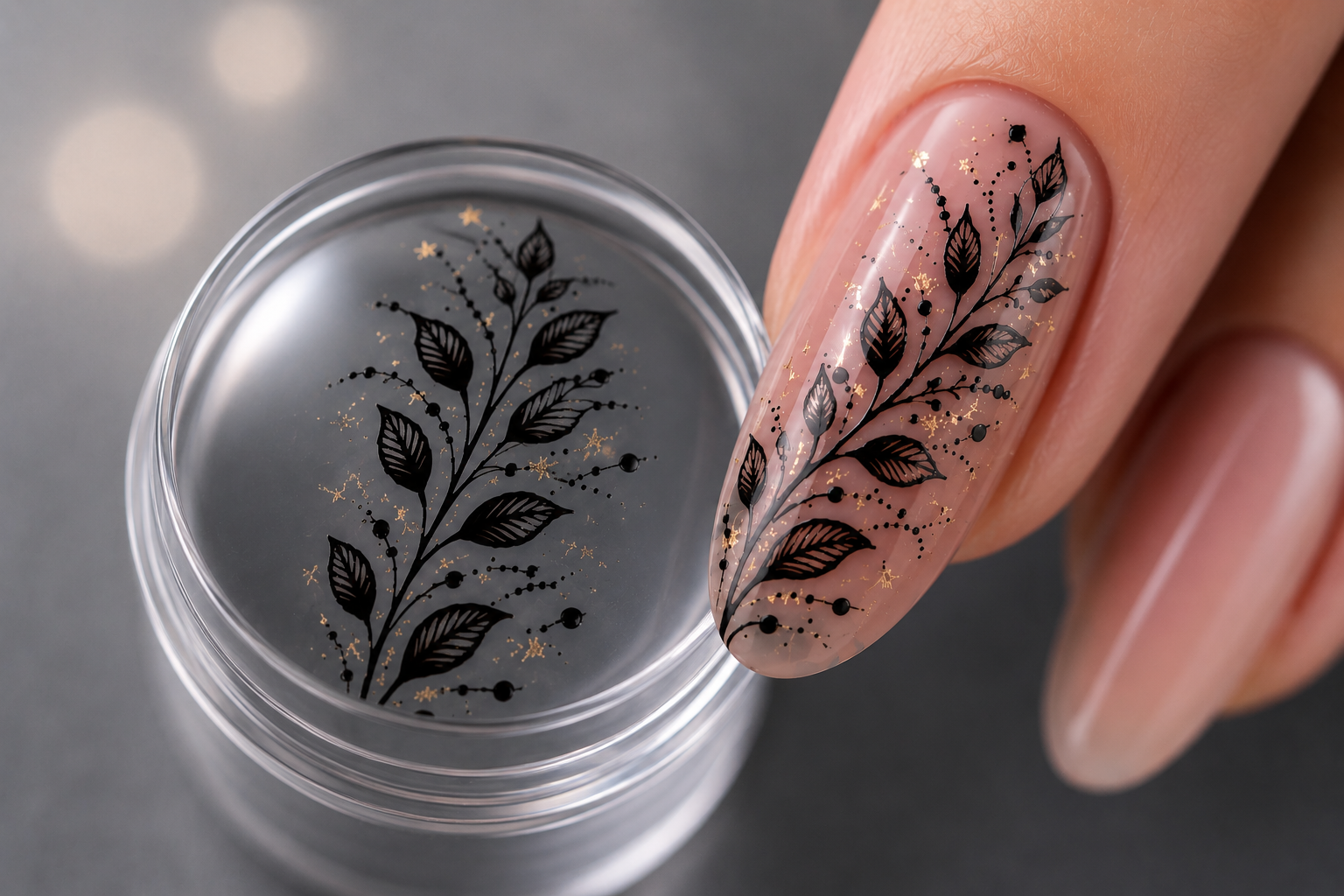
Watch what's inside — in under 60 seconds
What You'll Learn
Who This Course Is For
Course Curriculum
6 technique lessons — from basic transfer to advanced combos · all techniques on real nails
Your stamping looks good.
Your manicure underneath — does it hold?
Get the free Nail Result Diagnosis Map.
Nail art sells the appointment. The manicure underneath keeps the client. This map diagnoses the most common base failures — lifting, shape issues, product problems — so your stamping has something solid to sit on.
- Lifting by zone — the base failure that makes stamping peel off early
- Stamping-specific troubleshooting — adhesion, base coat compatibility, top coat issues
- Shape and prep logic — what goes wrong before you even pick up the stamper
- Mature hands and pedicure adjustments — all in one reference
Breakage & Shape Problems in 60 Seconds.
No more guessing which product is to blame.

What Students Are Saying
Verified reviews from nail techs who completed the courses




What You Need
Your Instructor

With over 15 years of experience and a first-place win at an international nail competition in Warsaw, Yuliia knows what it feels like when stamping just doesn't work. This mini-course is everything she wished someone had shown her at the start — not theory, but actual technique on real nails.
Frequently Asked Questions
Nail Stamping Secrets
One payment. Lifetime access. Six techniques, real nails, real results.
- 6 technique lessons — firm stamper, clear stamper, cuticle placement, gradient, reverse, combos
- Chrome powder, foil, and watercolor drop techniques
- Honest brand recommendations — plates, polish, foil glue
- ★ Professional manuals & nail diagnosis diagrams to support your learning
- All techniques demonstrated on real nails
- Full equipment list included
- Lifetime access — revisit any lesson at any time
- Certificate of completion from VEL Academy
- 14-day money-back guarantee — up to 30% of course viewed. Zero risk.

Know the Nail Structure.
Protect the Client!