Gel Correction Sides Technique: What It Is, When to Use It, and Why the 1–2mm Rule Exists
VEL Academy methodology: The Sides technique, height limit, and gel product selection described in this article reflect VEL Academy's approach to lateral wall correction in Russian manicure. The 1–2mm rule and jelly gel vs leveling gel distinction are specific to VEL Academy technique — other schools may apply these methods differently.
The Sides technique is the lightest nail correction intervention — a thin layer of gel along the lateral walls that corrects minor asymmetry without structural rebuilding. Its effectiveness depends entirely on staying within its limits. The 1–2mm height rule is not a guideline — it is the boundary between a correction that works invisibly and one that creates a visible problem requiring additional filing.
What Sides Correction Does
Sides adds gel material specifically to the lateral walls of the free edge — the surfaces that run along the sides of the nail rather than across the top. By adding material here, the technique corrects minor asymmetry in the lateral parallels: the two imaginary lines that run along the sides of the nail from the growth zone to the free edge tip.
When the lateral parallels are slightly uneven — one side slightly narrower or wider than the other — Sides correction builds up the thinner side until both walls match. The result is a free edge that appears symmetrical from all angles, without any material being added to the nail plate surface itself.
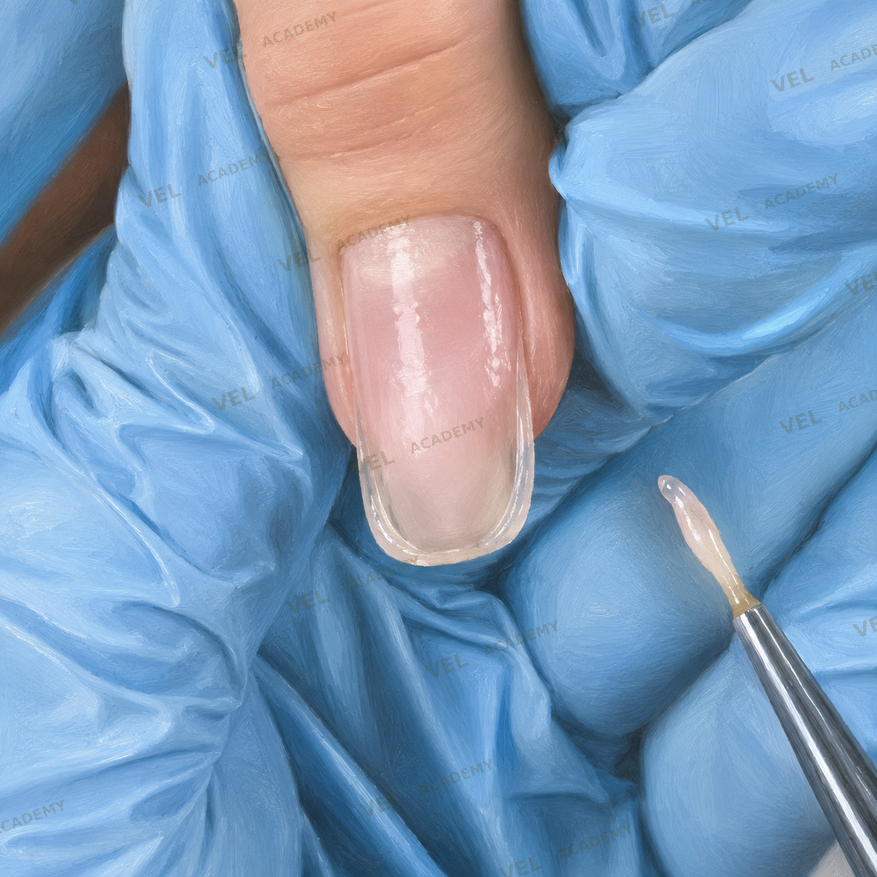
Sides correction — material applied to lateral walls only, within the 1–2mm height limit
The 1–2mm Height Limit: Why It Exists
Gel material applied to a lateral wall creates a new surface that must transition smoothly into the top surface of the existing free edge. Within 1–2mm of height, this transition is gradual enough that it becomes invisible under leveling gel — the leveling gel flows over it and creates a smooth, even top surface.
Beyond 1–2mm, the transition from the added Sides material to the original free edge surface creates an abrupt change in height — a step or ridge. This ridge is visible when the nail is viewed from the front, and it catches under colour and top coat in a way that is visible in the finished result. Removing the ridge requires surface filing that removes material from the top of the free edge — altering the geometry the Sides technique was intended to correct.